Change Your Dog's Obedience Via Engaging and Enjoyable Dog Training Approaches
Dog training can frequently really feel like a task for both the pet and the owner. Nonetheless, including fun and interesting methods can change the experience. Understanding a dog's one-of-a-kind learning design is important. This method not only makes obedience training delightful but also reinforces the bond between the dog and proprietor. As we check out different techniques, it ends up being clear that a shift in perspective might cause unusual outcomes. What strategies will prove most efficient?
Recognizing Your Dog's Learning Style
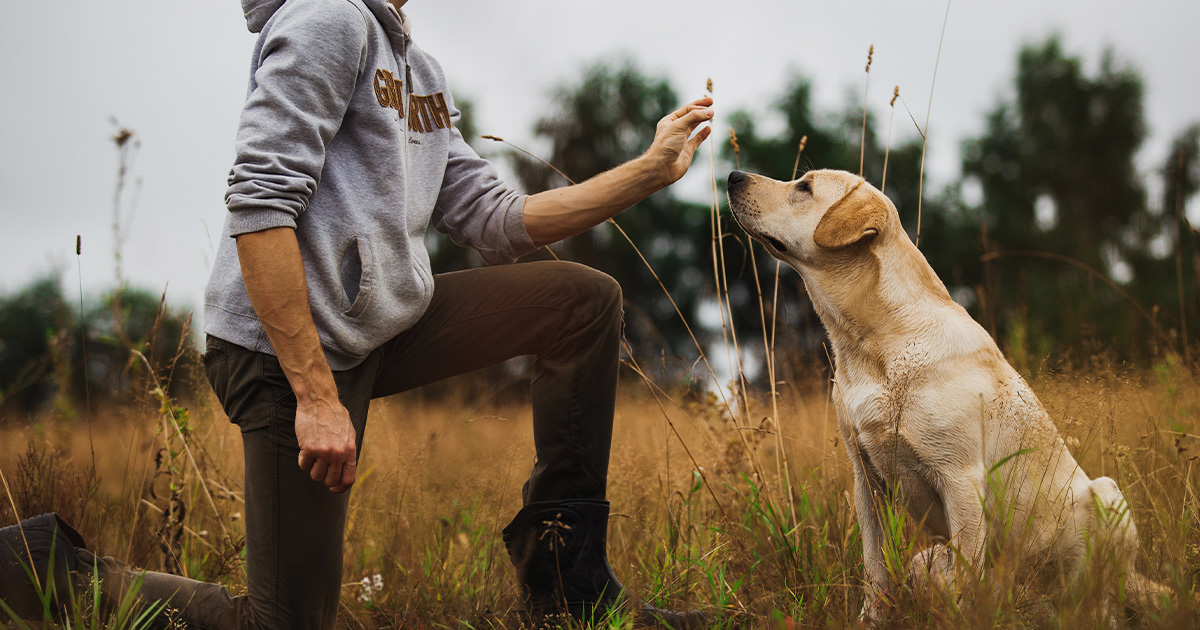
Comprehending a dog's learning style is vital for reliable training, as each dog might react differently to different methods. Some pets are aesthetic learners, prospering on gestures and presentations. Others are auditory students, responding ideal to verbal commands and hints. Kinesthetic students, on the other hand, like hands-on experiences, needing physical communication or responsive advice throughout training. Acknowledging a dog's one-of-a-kind style can considerably boost communication and understanding between the dog and trainer. In addition, environmental elements, such as interruptions or comfort levels, can influence a dog's capacity to discover. Subsequently, customizing training approaches to match private learning styles cultivates a much more efficient training setting, eventually leading to improved obedience and a stronger bond in between the dog and its owner.
Incorporating Play Into Training Procedure
Incorporating play into training sessions offers numerous benefits, enhancing both the finding out experience and the bond in between dog and proprietor. Participating in enjoyable games not only makes training satisfying however also reinforces essential abilities in a positive way. This strategy can cause enhanced focus and inspiration, making it an important strategy for efficient dog training.
Benefits of Spirited Training
While lots of dog proprietors might focus only on obedience and technique during training sessions, the integration of play can substantially enhance the learning experience for both the fitness instructor and the dog. Spirited training fosters a favorable atmosphere, making pet dogs a lot more enthusiastic to discover and get involved. This method minimizes anxiety and stress and anxiety, enabling pets to soak up commands better. Incorporating play likewise reinforces the bond in between the dog and proprietor, creating a relying on partnership that boosts communication. Moreover, taking part in lively activities can enhance a dog's emphasis and retention of brand-new abilities, as they connect training with fun instead than a job. Ultimately, spirited training leads to a much more inspired and responsive canine friend, benefiting both celebrations included.
Fun Gamings for Learning
A selection of involving video games can significantly enhance the performance of dog training sessions. Integrating play right into training not only raises a dog's motivation but also strengthens the bond in between the dog and trainer. Gamings like "Seek and hide" urge pets to utilize their analytic skills while strengthening commands such as "stay" and "come." Similarly, interactive bring can be adjusted to consist of obedience jobs, making the game both enjoyable and instructional. Barrier training courses challenge physical dexterity and psychological focus, allowing canines to learn commands in a vibrant environment. By making training enjoyable, pets are much more likely to preserve new abilities and respond favorably to commands, ultimately resulting in enhanced obedience and a happier training experience for both dog and proprietor.
Using Positive Reinforcement Efficiently
Using positive support successfully includes a tactical application of reward-based training strategies. Timing and consistency are vital aspects that improve learning and promote desirable habits. In addition, developing trust fund via support cultivates a more powerful bond in between the fitness instructor and the dog, making the training process more reliable.
Reward-Based Training Techniques
Positive support has become one of one of the most effective techniques for training dogs, as it motivates preferred actions through incentives as opposed to penalty. Reward-based training strategies profit from this concept by making use of treats, praise, or play as rewards for great actions. Fitness instructors often suggest identifying what inspires the dog, whether it be food, toys, or affection, customizing incentives to private choices. This technique promotes a positive learning setting, enhancing the bond between the dog and trainer (Freeport Florida Dog Trainer). Furthermore, reward-based methods can be related to numerous commands and behaviors, making them versatile in training sessions. By constantly gratifying preferred actions, canines discover to connect those behaviors with favorable outcomes, causing improved obedience and overall well-being
Timing and Uniformity Issues
Effective training depends upon the exact timing and consistency of rewards. When a dog executes a desired actions, immediate reinforcement enhances the link in between the activity and the incentive. Delayed rewards can puzzle the dog, resulting in misunderstandings about what actions is being compensated. Uniformity in applying rewards is equally crucial; utilizing the same signs and timing develops a clear understanding for the dog. Inconsistent reinforcement may lead to stress or an absence of motivation, as the dog has a hard time to understand assumptions. By maintaining a constant method, trainers can enhance learning and urge favorable actions. Eventually, reliable timing and uniformity in making use of favorable reinforcement produce a solid foundation for effective dog training end results.
Building Trust Fund Via Support
Developing a solid bond in between a dog and its instructor is essential for effective training end results, and positive reinforcement plays a vital duty in this process. This approach concentrates on gratifying desired actions, which urges pets to repeat those activities. Off Leash K9 Training 30A. Benefits can include treats, praise, or playtime, making the experience pleasurable for the dog. By continually using positive support, instructors can cultivate trust fund and reinforce their partnership with the dog. This trust leads to enhanced receptiveness throughout training sessions, as the dog really feels safe and valued. Additionally, favorable support decreases fear-based reactions, advertising a healthy learning setting. Ultimately, effective usage of positive support not only boosts obedience yet additionally nurtures a lasting bond in between the dog and its instructor
Creative Games to Enhance Obedience
Numerous dog owners seek innovative ways to enhance obedience while maintaining training sessions involving and fun. Innovative video games act as an efficient technique to accomplish this equilibrium. One preferred video game is "Conceal and Seek," where owners hide and call their pet dogs, motivating recall commands. Another appealing alternative is "Simon Says," which reinforces commands like rest, remain, and lay down in a spirited fashion. Incorporating fetch with commands can likewise enhance obedience; tossing a plaything while instructing the dog to "drop it" promotes both play and technique. Agility training courses use an additional vibrant method, integrating exercise with obedience training. These games not just reinforce the bond between pet dogs and their owners but additionally make finding out pleasurable for both celebrations.
Socializing as a Training Device
Participating in imaginative video games not only enhances obedience but additionally gives a possibility for pets to create essential social skills. Socialization offers as an important training tool, enabling pet dogs to engage with various environments, people, and other pets. With organized playdates and group training sessions, canines find out to browse social dynamics, minimizing stress and anxiety and hostility. Favorable experiences during these interactions cultivate self-confidence, encouraging canines to react properly in varied scenarios. Direct exposure to different stimulations assists minimize terror and advertises adaptability, crucial traits for mannerly animals. Including socializing into training routines enhances the total learning experience, making certain that pet dogs are not simply obedient yet likewise well-adjusted friends. This alternative method inevitably leads to an extra unified relationship between pet dogs and their proprietors.
Setting Realistic Objectives for Success
Just how can dog owners guarantee efficient training end results? By establishing practical goals for success, they create a clear roadmap for their training trip. Developing achievable purposes assists owners keep inspiration and step development. For example, as opposed to intending for a completely obedient dog immediately, they may concentrate on understanding one command each time. This incremental method cultivates a positive learning environment, reducing aggravation for both the dog and proprietor. Additionally, recognizing individual differences in dogs' learning rate permits personalized training methods. Commemorating small success, such as a successful sit or stay, reinforces confidence pet gentle pet trainer and urges additional learning. look at these guys Eventually, practical goals guarantee that dog training stays a gratifying and satisfying experience for everyone entailed.
Regularly Asked Concerns
How much time Does It Usually Require To See Outcomes From Educating?
Generally, results from dog training can be observed within a few weeks, depending on the dog's age, character, and uniformity of practice. Dedicated, routine sessions commonly accelerate the discovering procedure and reinforce obedience.
What Age Is Best to Start Educating My Dog?
The very best age to start educating a dog is around 8 weeks old. Early training assists develop excellent practices and socializing, making it less complicated for pets to adjust and find out as they expand.
Can Older Dogs Discover New Commands Effectively?
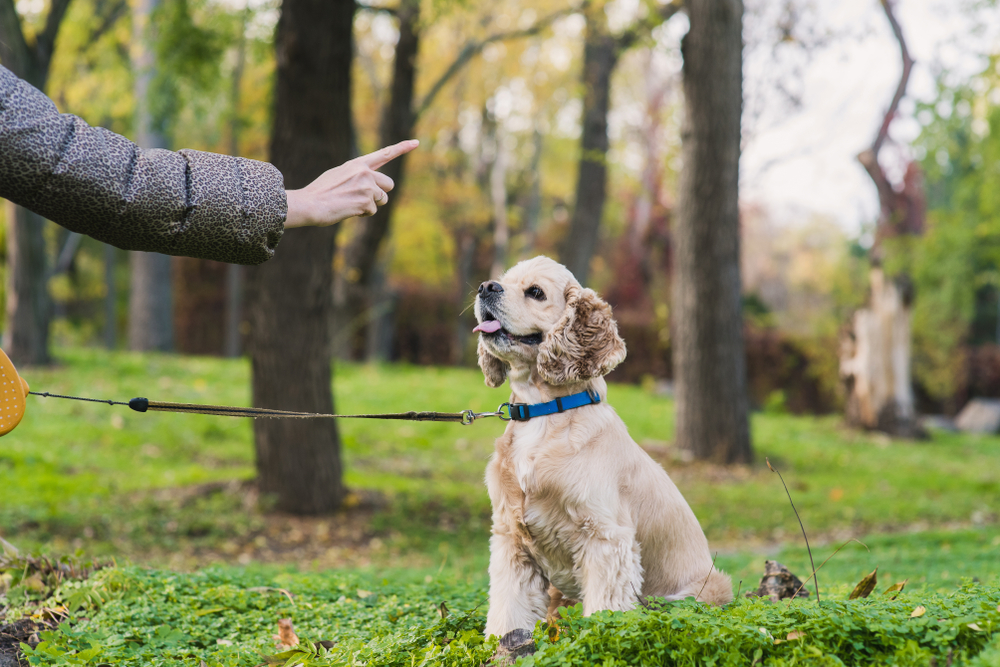
Yes, older pet dogs can learn brand-new commands efficiently. With patience, uniformity, and favorable support, they can acquire brand-new skills. Their life experience typically aids in comprehending commands, making training sessions compensating for both the dog and owner.
How Do I Deal With Interruptions Throughout Educating Sessions?
To deal with distractions throughout training sessions, one need to start in a quiet setting, progressively introduce disturbances, utilize high-value benefits for focus, and stay client, motivating the dog to remain engaged with regular practice and favorable reinforcement.
What happens if My Dog Does Not Respond to Rewards?
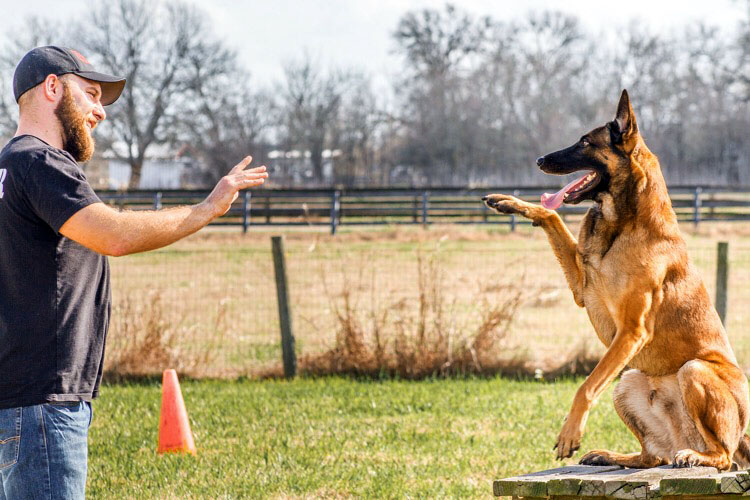
Recognizing a dog's one-of-a-kind design can significantly enhance interaction and understanding between the dog and instructor. While numerous dog proprietors might focus entirely on obedience and discipline during training sessions, the integration of play can significantly improve the learning experience for both the dog and the trainer. Including play into training not only boosts a dog's inspiration but additionally strengthens the bond between the dog and fitness instructor. Favorable reinforcement has arised as one of the most effective methods for training pet dogs, as it motivates wanted behaviors with rewards instead than punishment. Usually, results from dog training can be observed within a few weeks, depending on my response the dog's age, personality, and consistency of method.